This post has already been read 9 times!
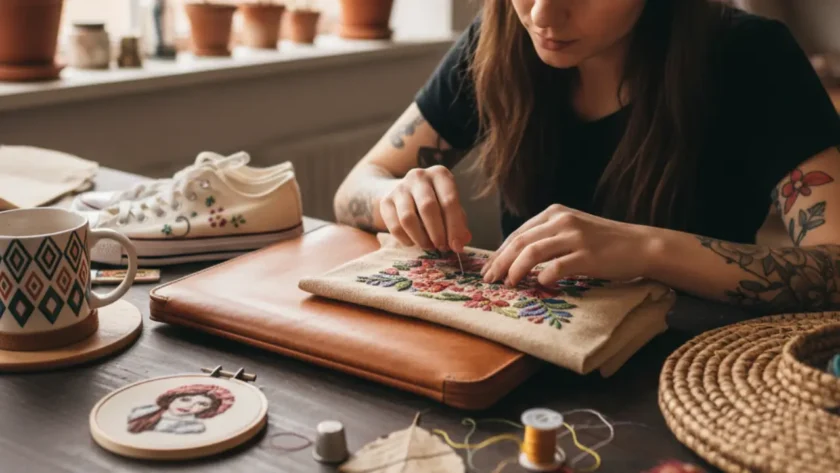
Embroidery isn’t just about fabric and thread anymore. Artists and crafters are expanding their horizons, transforming ordinary objects into unique pieces of art. This creative trend breathes new life into the traditional craft. Let’s dive into the exciting world of embroidery on unconventional surfaces and discover how you can start your own project.
The Rise of Unconventional Surfaces
Traditionally, embroidery is done on fabric like cotton, linen, or silk. However, modern crafters are experimenting with new surfaces, bringing embroidery into unexpected territories. This shift opens up endless creative possibilities. From home decor items to wearable art, unconventional surfaces offer a fresh canvas for embroidery enthusiasts.
Why Embroidery on Unconventional Surfaces?
Embroidering on non-traditional surfaces allows for greater creativity and individuality. It transforms everyday objects into personalized treasures. Additionally, it challenges traditional craft techniques, encouraging innovation. Whether you’re decorating an old wooden chair or jazzing up a pair of shoes, unconventional surfaces make your embroidery projects stand out.
Popular Unconventional Surfaces for Embroidery
Wood: Wooden items like picture frames, coasters, and even furniture can become stunning embroidered pieces. Use fabric or felt as the base for your embroidery, then attach it to the wood using a strong adhesive or by sewing through pre-drilled holes.
Paper: Craft paper, greeting cards, and even book covers can be embellished with embroidery. Use a needle and thread to stitch designs onto paper, creating a unique blend of texture and design. Keep in mind that thicker papers or cardstocks work best for this technique.
Leather: Leather accessories like wallets, belts, and bags make for exceptional embroidery projects. Use a specialized needle and thread designed for leather to ensure a clean, durable finish. Leather’s natural texture adds a distinctive touch to your embroidered designs.
Canvas: Beyond the typical fabric canvases, try embroidering on canvas shoes, tote bags, or even stretched canvas art pieces. The sturdy nature of canvas holds embroidery well, making it a versatile option for various projects.
Glass: Embroidery on glass surfaces, such as glass jars or bottles, adds an elegant touch. Use fabric or ribbon with adhesive backing to create a design that wraps around the glass. This technique is ideal for creating personalized gifts or decorative pieces.
Getting Started: Tips and Techniques
Choose the Right Tools: Select the appropriate needle and thread for your chosen surface. For instance, use a heavy-duty needle for leather or a fine needle for delicate papers.
Prepare the Surface: Ensure your surface is clean and smooth. For porous surfaces like wood, consider sealing the area where you’ll be embroidering to prevent fraying or damage.
Use Stabilizers: For surfaces that can stretch or shift, like paper or leather, using stabilizers helps maintain the shape and position of your embroidery.
Plan Your Design: Sketch your design before starting. This planning phase helps visualize the finished project and ensures a more accurate and satisfying result.
Secure Your Work: Depending on the surface, use appropriate adhesives or stitches to secure your embroidery. For instance, fabric glue or strong double-sided tape can be used for paper or leather.
Real-Life Inspirations
Embroidered Wooden Frames: A crafter turned an old wooden photo frame into a charming piece of art by embroidering floral patterns around the edges. This simple project added a touch of elegance to a standard frame.
Leather Wallet Embroidery: A designer added intricate embroidery to a leather wallet, creating a unique accessory that combined practicality with artistry. The thread’s contrast against the leather made the design pop.
Glass Jar Decor: An artist embellished glass jars with embroidered fabric sleeves. These jars became stylish storage containers, perfect for holding small items or serving as decorative vases.
Canvas Tote Bags: Embroidering on canvas tote bags has become a popular trend. One crafter added a custom embroidered quote to a tote bag, making it a personalized and practical gift.
Final Thoughts
Exploring embroidery on unconventional surfaces offers endless creative opportunities. By stepping outside traditional fabric, you can create unique, personalized pieces that stand out. Whether you’re new to embroidery or looking for fresh ideas, experimenting with different surfaces can bring a new dimension to your craft.
I’d love to hear about your experiences with embroidery on unconventional surfaces. Have you tried any of these techniques? What surfaces have you explored? Share your projects and thoughts in the comments below!