This post has already been read 4868 times!
Embroidery machines have changed the way hobbyists and professionals approach design work. What once took hours by hand now gets done with precision, speed, and consistency.
Whether you’re personalizing gifts, launching a home décor brand, or upgrading your hobby, choosing the right embroidery machine can transform your craft.
Let’s dive into how these machines work, what to look for, and how to get the most out of them.
Why Use Embroidery Machines?
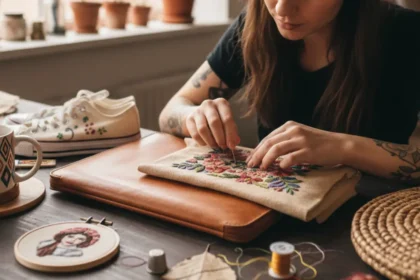
If you’ve ever hand-stitched a pattern, you know how time-consuming it is. While hand embroidery has its own charm, embroidery machines help save time while keeping designs neat and uniform.
They’re not just for pros either. Today’s machines are beginner-friendly. Many crafters use them to create custom tote bags, T-shirts, pillowcases, or even pet accessories.
Last December, my neighbor Sarah used her new embroidery machine to make personalized stockings for her entire family. She stitched each name with metallic thread and snowflake designs. The kids were thrilled.
Choosing the Right Embroidery Machine
Here’s where many people get overwhelmed. There are dozens of models out there. Some are basic, while others look like they belong in a commercial studio.
Here are a few features to focus on:
1. Built-in Designs and Fonts
Some machines come loaded with hundreds of designs and letter fonts. These help you get started right away. If you love monograms or plan to sell embroidered items, look for this feature.
2. Hoop Size
The hoop holds the fabric in place while stitching. A small hoop limits your design size. For bigger projects, choose a machine with a larger embroidery area (5×7 inches or more).
3. USB or Wi-Fi Connectivity
Want to import your own designs? Look for a model that supports USB or Wi-Fi. This lets you download patterns from the internet and even use design software.
4. Display Screen
A color touchscreen makes editing easier. You can preview your design, rotate it, resize it, or change thread colors before stitching.
Beginner vs. Professional Embroidery Machines
If you’re just starting out, don’t go for the most expensive model. You’ll end up paying for features you may never use.
Start with something like the Brother PE800 or Janome Memory Craft 400E. These are reliable and intuitive.
If you’re taking custom orders or working with larger projects, professional machines with multiple needles and faster stitching speeds might suit you better.
One of my craft students, Jake, started his Etsy shop using a beginner model. Three years later, he upgraded to a 10-needle commercial machine. Now, he finishes more orders in less time.
Embroidery Machines vs. Sewing Machines
Many people ask this question: Can my sewing machine do embroidery?
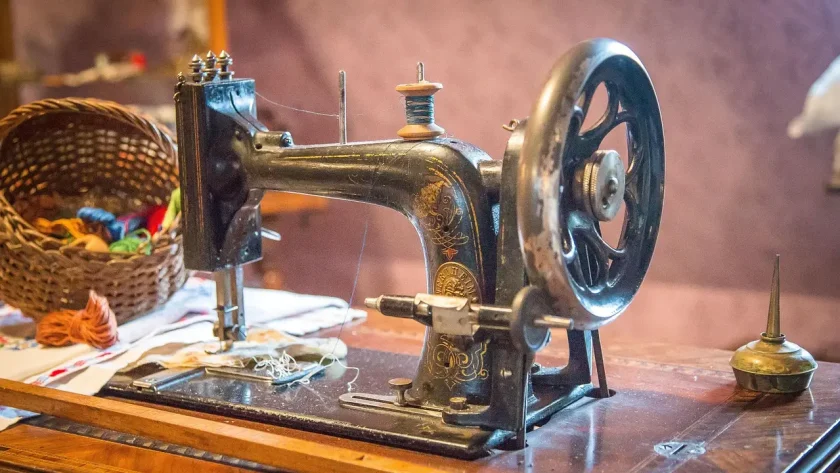
Only if it’s a combo machine. Regular sewing machines don’t have embroidery functions. Embroidery machines follow digital patterns and move the hoop automatically to stitch the design.
Combo machines offer both sewing and embroidery, which can be perfect if you’re short on space.
Maintenance and Care Tips
Embroidery machines are an investment. Like any machine, they need care. Here are a few simple habits to follow:
Clean after every project. Remove lint and stray threads from the bobbin area.
Oil as recommended. Follow the manual for oiling parts that need lubrication.
Change needles often. A dull needle can damage your fabric or machine.
Store covered. Keep dust away when the machine is not in use.
Following these steps extends the life of your embroidery machine and keeps your projects looking flawless.
Best Fabrics to Use
Your choice of fabric affects your final result. Stiff, stable fabrics like cotton, denim, felt, or canvas work well. If you use stretchy or thin fabrics like silk or jersey, add stabilizers.
There are three main types of stabilizers:
Cut-away: Great for stretchy fabric.
Tear-away: Easy to remove and good for thicker materials.
Water-soluble: Best for delicate or transparent fabric.
You can experiment to see what works best for your projects.
Common Mistakes and How to Avoid Them
Even experienced users run into problems. Here are a few you can avoid:
Skipping the test stitch. Always do a trial run on scrap fabric.
Ignoring hoop tension. If the fabric isn’t tight, the design will shift.
Using the wrong thread. Embroidery thread is different from sewing thread. It’s shinier and softer.
Not using the right stabilizer. This leads to puckering or messy results.
Learning these tricks early helps you improve your work and waste fewer materials.
Projects You Can Try Today
Need some ideas to get started?
Add names to tote bags or baby bibs.
Embroider cute animals on throw pillows.
Customize towels with initials.
Create wall art with floral or geometric designs.
Make patches for jackets or denim bags.
Once you get the hang of it, your creativity will soar.
Where to Buy Embroidery Machines
You can find embroidery machines online or at local sewing centers. Amazon, Joann, and SewingMachinesPlus often have good deals. Try to look for a brand that offers after-sale support and has active user communities.
Joining Facebook groups or Reddit threads dedicated to your machine model can help a lot when you’re stuck.
Final Thoughts
Embroidery machines are more than just tools. They’re your creative partners. They help you bring your ideas to life—faster and cleaner.
With a little practice and some thoughtful planning, you can master machine embroidery and add magic to every stitch.
Whether you want to sell your creations or make thoughtful gifts, these machines give you the power to do more.
So, if you’re on the fence, now is the perfect time to dive in. Start with a model that fits your needs, test out small projects, and watch your skills grow.
Have you used an embroidery machine before?
Share your favorite project or your go-to tips in the comments below. Let’s inspire each other to create more beautiful things, one stitch at a time.