This post has already been read 5113 times!
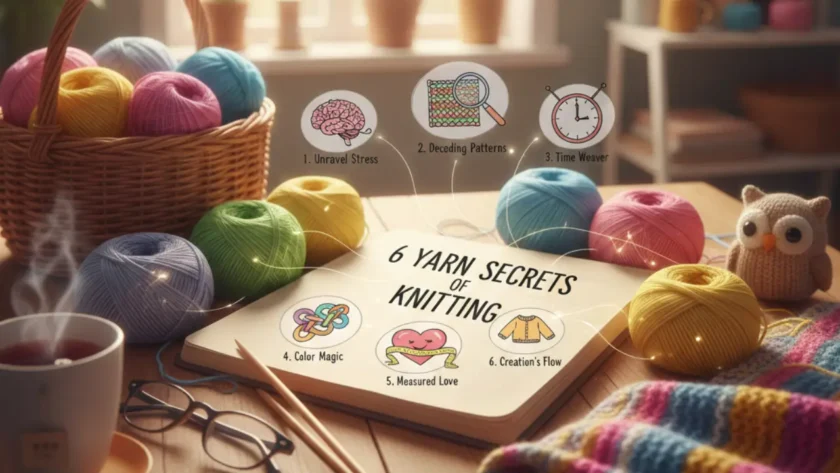
Every knitter has faced the same problem: beautiful pattern, perfect needles, but something feels off. The culprit? Yarn. That soft, colorful strand holds more secrets than you think. And today, we’re diving into the 6 yarn secrets of knitting that can make or break your project.
Whether you’re just learning to knit or have been casting on for years, these tips will sharpen your skills. You’ll start seeing immediate improvements in your tension, drape, finish, and even speed.
Let’s untangle the magic of yarn—one secret at a time.
1. Yarn Weight Isn’t Just About Thickness
It’s easy to assume heavier yarn means bulkier fabric. But yarn weight also affects stitch definition, drape, and even the final size of your garment.
Take Amanda, for example. She knit a baby sweater using worsted weight yarn when the pattern called for sport weight. The result? A toddler-sized jumper that could double as body armor.
Always match the yarn weight to the pattern. If you change it, swatch carefully and adjust needle size. Know the difference between lace, fingering, sport, DK, worsted, aran, and bulky.
2. Fiber Type Dictates Your Final Look
Cotton is great for breathability but has no elasticity. Wool bounces back and holds shape well. Acrylic is budget-friendly but can pill.
If you’re knitting socks, go with wool-nylon blends. Cotton won’t hug the foot and will stretch out. For shawls, silk or alpaca blends give that luxurious drape you crave.
Different fibers behave differently after blocking too. Wool softens, cotton stiffens slightly, and acrylic remains pretty much the same. Test with small swatches.
Understanding fiber helps you master the 6 yarn secrets of knitting, especially when it comes to choosing the right yarn for wearables, home decor, or accessories.
3. Yarn Ply Changes Texture and Durability
Ply is how many strands are twisted together. A 2-ply yarn creates a soft, open texture. A 4-ply or 8-ply gives a rounder, tighter stitch.
Jess was frustrated with her hat patterns never looking like the photos. Turns out she was using loosely plied yarn, which made her cables look flat.
Tightly plied yarns are ideal for cables, lace, and detailed stitches. Loosely plied yarns work better for soft, flowy projects like scarves and shawls.
Always look at how your yarn is spun. It affects stitch clarity, wear, and even color pooling.
4. Dye Lot Isn’t Optional—It’s Crucial
Even white yarn can vary from skein to skein. That’s why the dye lot number exists. If you buy yarn without checking it, you might see an obvious line across your project.
When Olivia knit her blanket, she didn’t check dye lots. Midway through, the shade subtly changed. Once it was finished, the contrast stood out like a patch.
Buy enough yarn from the same dye lot to finish your project. If you’re short, blend skeins every two rows so the shift looks intentional.
This is one of the 6 yarn secrets of knitting that saves you major frustration down the road.
5. Yarn Texture Impacts Your Speed and Comfort
Textured yarns—like boucle or eyelash—look fun, but they’re hard to work with. They slow you down and hide mistakes.
Smooth yarns like merino or silk blends glide easily over needles. You’ll knit faster and neater. Choose textured yarns only when you want to hide stitch definition or add flair.
After struggling with boucle yarn for weeks, Liam switched to worsted merino. He finished his sweater in days instead of months.
The takeaway? Choose yarn that suits your skill level and project goal, not just what looks exciting in the skein.
6. Yarn Behavior Changes After Washing
Yarn can stretch, shrink, fluff, or even felt after washing. That’s why blocking swatches is non-negotiable.
Stacey once made a cardigan that fit perfectly—until she washed it. The sleeves stretched like spaghetti. Why? She didn’t block her swatch.
Natural fibers often change shape with water. Wool can felt or bloom. Cotton stretches. Acrylic might relax. Always make a swatch, wash it the way you’ll treat the final project, then measure again.
If you’re aiming for garments that last, understanding how yarn reacts post-wash is one of the most important 6 yarn secrets of knitting.
Bonus Tip: Don’t Trust Labels Blindly
Sometimes, yarn labels don’t tell the full story. You might see “worsted” on the label, but it knits up closer to DK. Or it may say “machine washable,” but still pills after one wash.
Take notes. Keep a yarn journal with info about how each yarn behaves. It becomes a personalized guide over time.
Bringing It All Together
Knitting is more than knit and purl. The 6 yarn secrets of knitting open a whole new way to improve your craft. With this knowledge, you’ll make better yarn choices, fix common issues, and create pieces that last.
Remember these six takeaways:
- Match yarn weight with care.
- Choose fiber for your project’s purpose.
- Mind the ply for stitch clarity.
- Always check dye lot numbers.
- Pick textures that suit your pace.
- Block and test for post-wash behavior.
Your Next Steps
Next time you buy yarn, look past the color and feel. Ask questions. Make a swatch. Use this guide.
And share your yarn victories or fails with us in the comments. What’s the biggest yarn mistake you’ve made—and how did you fix it?
Let’s help each other grow, one skein at a time.