This post has already been read 4611 times!
Homes feel different when hands shape what fills them. The arts and crafts revival reflects a deeper shift toward meaning, care, and intention. People want objects with stories. They want spaces that feel lived in, not staged.
Mass production made homes efficient. It also made them forgettable. Handmade objects bring back warmth and individuality. A woven basket carries patience. A painted tile carries time. These pieces quietly change how a home feels.
This revival did not arrive as a trend. It grew from fatigue. Endless scrolling made sameness obvious. People began craving texture, effort, and visible flaws. That craving now reshapes living rooms, kitchens, and work corners worldwide.
Why the Arts and Crafts Revival Feels Personal
The arts and crafts revival connects to identity. Making something reminds people of their agency. Buying handmade honors another person’s effort. Both choices slow life down.
A friend once replaced generic wall prints with her own linocut prints. Guests noticed immediately. Conversations shifted. The room felt more honest. She did not chase perfection. She chased expression.
Homes become mirrors of values. Craft reflects patience, care, and presence. Those values feel rare today. That rarity gives handmade items their power.
The Shift From Decor to Meaning
Decor once meant filling space. Craft now means shaping experience. A hand-thrown mug changes a morning routine. Tea tastes warmer. The grip feels intentional.
This change explains the arts and crafts revival across generations. Younger homeowners seek grounding. Older homeowners seek reconnection. Both find it through making.
People no longer ask, “Does this match?” They ask, “Does this feel right?” That question changes buying habits completely.
Everyday Crafts That Transform Homes
Craft does not require talent or expensive tools. Small practices make real impact.
Knitted throws add warmth and comfort. Even simple stitches feel inviting. Clay planters bring organic shapes to windowsills. Slight irregularities make plants feel alive. Wooden shelves built by hand carry pride. A slight wobble becomes a story. Hand-lettered quotes replace factory posters. The words feel chosen, not assigned.
The arts and crafts revival thrives on these everyday wins. No grand projects required. Consistency matters more than skill.
Craft Corners Are the New Luxury
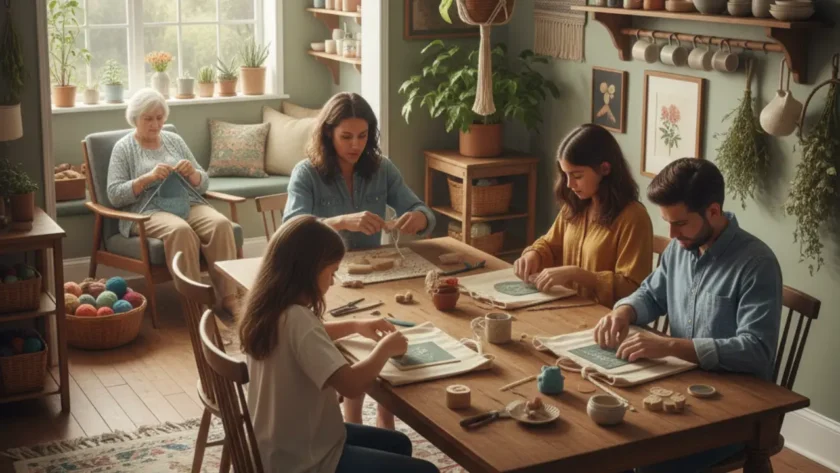
Many homes now reserve a corner for making. Not storage. Not display. Actual use. A small desk with paints changes evenings. A basket of yarn invites pauses. These corners signal permission to slow down.
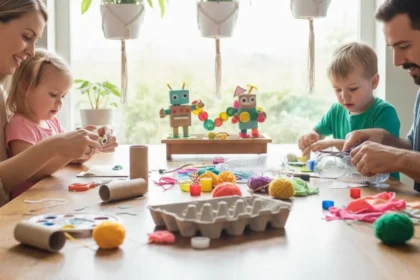
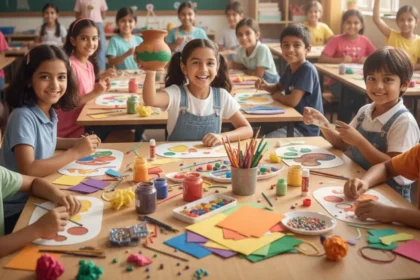
One family replaced a rarely used guest room with a shared craft space. Children painted freely. Adults joined after work. The room became the home’s emotional center. This shift shows how the arts and crafts revival influences design choices. Function now includes emotional use.
Handmade Objects Create Better Conversations
Guests notice handmade items faster than designer labels. They ask questions. Stories follow naturally. A ceramic bowl often leads to its maker’s story. A stitched pillow leads to a memory. These exchanges deepen connection. Homes feel more welcoming when objects invite dialogue. Craft acts as a social bridge. It softens formal spaces.
People remember how a home made them feel. Craft shapes that memory quietly.
Sustainability Drives the Revival
The arts and crafts revival aligns with conscious living. Handmade often means fewer chemicals. It means longer use. It means repair over replacement. Mended clothes gain character. Visible stitches tell stories of care. Repaired furniture earns respect. Longevity becomes beautiful.
One homeowner restored an old table instead of replacing it. Each mark carried history. The table anchored family meals again. Craft supports sustainability without preaching. The results speak through use.
Learning to Value Imperfection
Craft teaches acceptance. No handmade item looks identical. That difference feels freeing. People raised on polished images struggle with imperfection. Making something breaks that habit gently. Mistakes become part of the design. A beginner potter once said her crooked bowls felt like relief. They did not demand flawlessness. They welcomed humanity.
The arts and crafts revival thrives because it allows people to breathe.
How to Start Without Overwhelm
- Starting matters more than finishing. Choose one material. Choose one hour weekly.
- Paper crafts require minimal tools. Textile work fits small spaces. Clay air-dries without kilns.
- Keep supplies visible. Hidden tools stay unused. Visible tools invite action.
- Accept slow progress. Skill grows through repetition, not pressure.
- Homes change gradually. Let craft evolve naturally.
- Supporting Makers Without Making Everything
Not everyone wants to make everything. Supporting artisans still counts. Choose fewer items with higher meaning. Ask about process. Learn the story.
Handmade markets and small studios thrive through conscious buyers. Each purchase reinforces the arts and crafts revival cycle. A single handmade lamp can shift a room’s energy. Quantity never beats intention.
Craft as Emotional Care
Craft reduces stress. Repetition calms the nervous system. Focus replaces noise. Many people turn to crafts after burnout. The hands process what the mind cannot.
One professional began embroidery during recovery. The routine restored confidence. Finished pieces marked healing milestones. Homes that hold crafted objects hold emotional memory. That depth cannot be bought quickly.
The Long-Term Impact on Home Design
Design trends change fast. Craft stays relevant. Future homes will prioritize adaptability. Modular furniture invites customization. Neutral bases highlight handmade accents.
The arts and crafts revival influences architects and designers quietly. Materials feel warmer. Finishes feel tactile. Homes shift from showpieces to sanctuaries.
Why This Revival Will Last
This revival answers human needs, not market cycles. People need grounding. They need agency. They need connection. Craft delivers all three without noise.
As digital life accelerates, handmade slows it meaningfully. That balance ensures longevity. Homes will continue to reflect this desire. Hands will remain central.
Final Thoughts and Your Turn
The arts and crafts revival reshapes homes through intention, not trends. It values time, touch, and truth. Every handmade object strengthens connection.
Your home already tells a story. Craft helps you edit it honestly.
What craft already lives in your space? What would you love to try next? Share your story below. Let’s learn from each other.