This post has already been read 22 times!
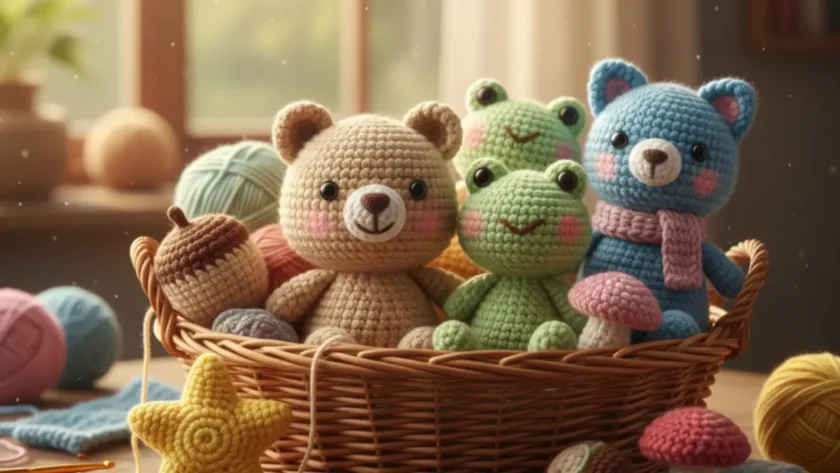
Ever come across tiny, adorable crocheted animals and wondered how they were made? These delightful creations are part of a craft known as amigurumi. Originating from Japan, amigurumi combines the Japanese words “ami,” meaning crocheted or knitted, and “nuigurumi,” meaning stuffed doll. These charming stuffed toys have captured the hearts of crafters worldwide.
What is Amigurumi?
Amigurumi is the art of crocheting small, stuffed yarn creatures. These can range from animals and dolls to food items and fantasy characters. The key to amigurumi is the tight, dense crochet stitch, which keeps the stuffing securely inside. The result is a firm, yet cuddly toy.
Getting Started with Amigurumi
If you’re new, don’t worry. Starting is simpler than it looks. All you need is some basic crochet knowledge, yarn, a crochet hook, and stuffing. Here are a few tips to help you begin:
Choose the Right Yarn and Hook: For beginners, it’s best to start with worsted-weight yarn and a corresponding hook size. This combination makes the stitches easier to see and handle.
Learn Basic Stitches: Mastering the single crochet stitch is crucial since it’s the foundation of most amigurumi patterns. Other useful stitches include the magic ring and the increase and decrease techniques.
Find a Simple Pattern: Start with an easy pattern, like a small ball or a basic animal shape. Many free patterns are available online, and they often come with step-by-step instructions.
Practice Makes Perfect: Like any craft, practice is key. Don’t get discouraged if your first few projects aren’t perfect. Keep practicing, and soon you’ll see improvement.
Tools and Materials for Amigurumi
To create amigurumi, you’ll need a few essential tools and materials:
Yarn: Different projects may require different types of yarn. However, cotton yarn is a popular choice for its durability and stitch definition.
Crochet Hooks: These come in various sizes. For amigurumi, smaller hooks are preferred to create tight stitches.
Stuffing: Polyester fiberfill is commonly used, but you can also use yarn scraps.
Stitch Markers: These help keep track of your rounds.
Tapestry Needle: Useful for sewing parts together and weaving in ends.
Scissors: For cutting yarn.
Common Amigurumi Techniques
It involves a few specialized techniques. Here are some basics:
Magic Ring: This technique starts your project with a tight, adjustable loop, preventing a hole in the center of your work.
Single Crochet: The primary stitch used in amigurumi. It creates a tight, dense fabric.
Invisible Decrease: This method of decreasing stitches helps maintain a neat appearance.
Stitch Markers: Use these to mark the beginning of your rounds, ensuring you keep track of your stitches.
Popular Amigurumi Projects
Amigurumi offers endless possibilities. Here are some popular project ideas:
Animals: From cats and dogs to mythical creatures like dragons and unicorns.
Dolls: Human-like dolls with customizable outfits and accessories.
Food Items: Fun, crocheted versions of fruits, vegetables, and desserts.
Characters: Recreate your favorite characters from movies, games, or books.
Real-Life Stories
Many crafters have turned their passion for amigurumi into successful businesses. Take Sarah, for example. She started crocheting as a hobby and soon began sharing her creations on social media. Her unique designs and engaging storytelling quickly attracted a large following. Now, she sells her patterns and finished products online, turning her hobby into a full-time career.
Another inspiring story is about Emily, who used amigurumi as a form of therapy. After a stressful period in her life, she found that crocheting helped her relax and focus. Over time, she created an entire collection of amigurumi animals, each with its own story. Emily’s work not only brought her joy but also helped others who were going through tough times.
Tips for Success in Amigurumi
Here are some tips to help you succeed:
Follow Patterns: Especially when starting, follow patterns closely to understand the structure and techniques.
Count Stitches: Keep track of your stitch count to avoid mistakes.
Take Breaks: Crochet can be tough on your hands and eyes. Take regular breaks to avoid strain.
Join a Community: Online forums and social media groups are great for finding support, tips, and inspiration.
Benefits of Amigurumi
This isn’t just a fun hobby; it also offers numerous benefits:
Stress Relief: The repetitive motion of crocheting can be meditative and calming.
Creativity Boost: Designing your own patterns or customizing existing ones fosters creativity.
Sense of Accomplishment: Finishing a project gives a satisfying sense of achievement.
Gift Giving: Handmade gifts are personal and cherished by recipients.
How to Customize Your Amigurumi
One of the joys of amigurumi is the ability to customize your creations. Here are some ways to make your projects unique:
Color Choices: Experiment with different colors to give your creatures personality.
Accessories: Add hats, scarves, or other accessories to your amigurumi.
Expressions: Embroider faces or use safety eyes to give your creations distinct expressions.
Mix and Match: Combine elements from different patterns to create something entirely new.
Final Thoughts on Amigurumi
Amigurumi is a delightful and rewarding craft that offers endless possibilities. Whether you’re making a gift for a loved one or creating a new character for your collection, each project is a chance to express creativity and bring joy. So, grab your hook and yarn, and dive into the world of amigurumi. You might just find your new favorite hobby.
Have you tried it Share your experiences or favorite patterns in the comments below. If you’re new to this craft, let us know what you’d like to create first!